This is part two in a five part series about the Nebraska Avenue Community Code of Ethics and Conduct.
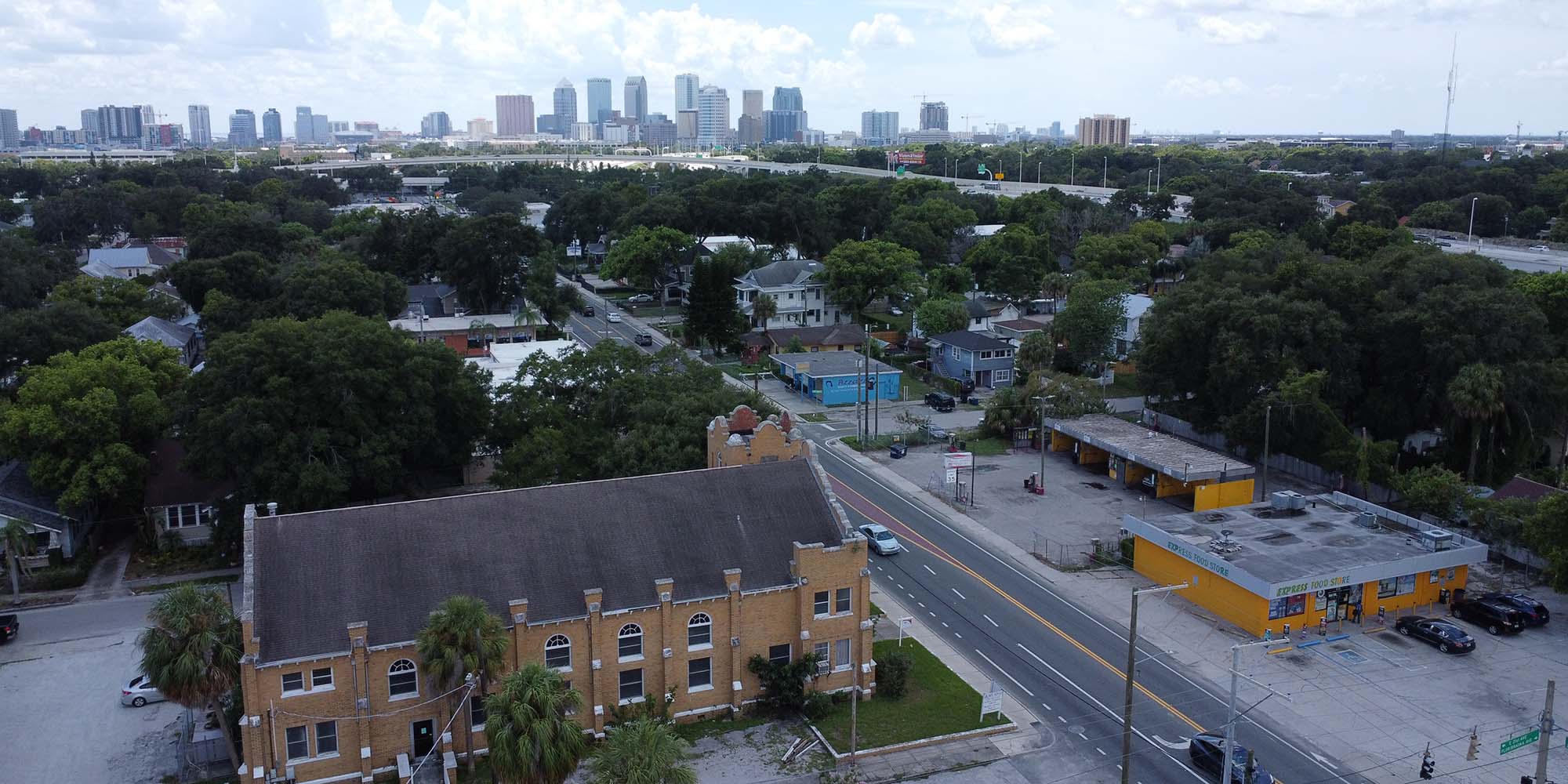
Every neighborhood thrives when the people within it take ownership — not just of their homes or businesses, but of the shared spaces between them. Nebraska Avenue is no different. It’s a living system of sidewalks, storefronts, shelters, worship spaces, and service routes where residents, business owners, first responders, and unhoused neighbors all intersect.
The second guiding principle, Shared Responsibility, reminds us that our choices do not exist in isolation. The health and safety of our community depend on how each of us — from local residents to paramedics and police — treats one another and the spaces we share.
Responsibility in Action
Shared responsibility comes to life through several parts of the Code:
- Personal Responsibility: We take ownership of our actions, avoiding behaviors that cause harm or fear to others.
- Community Care: Everyone — including first responders and outreach teams — helps maintain spaces that are clean, safe, and welcoming.
- Safety and Non-Violence: We commit to peaceful coexistence and to resolving conflicts through dialogue or mediation, often with the support of trained first responders or mediators.
- Respect for Property: Shared stewardship of public and private spaces builds trust and reduces tension across all parts of the community.
Why Shared Responsibility Matters
Shared responsibility creates the foundation for mutual respect. When business owners, residents, unhoused neighbors, and first responders share the same commitment to cleanliness, safety, and accountability, everyone benefits. Cooperation reduces strain on emergency services, builds community trust, and fosters a stronger sense of belonging across Nebraska Avenue.