This is part four in a five part series about the Nebraska Avenue Community Code of Ethics and Conduct.
Compassion is most powerful when it leads to real change. On Nebraska Avenue, compassion is expressed through coordinated action, including by outreach workers, service providers, ministries, and first responders who balance care with accountability.
The fourth guiding principle, Compassion in Practice, calls us to pair clear expectations with meaningful support. It recognizes that progress happens when people have both guidance and opportunity — when those in need are met with structure, not stigma.
Compassion in Action
- Health and Sobriety: We respect the well-being of ourselves and others. First responders, ministries and outreach teams play a key role in connecting individuals to recovery programs and crisis resources.
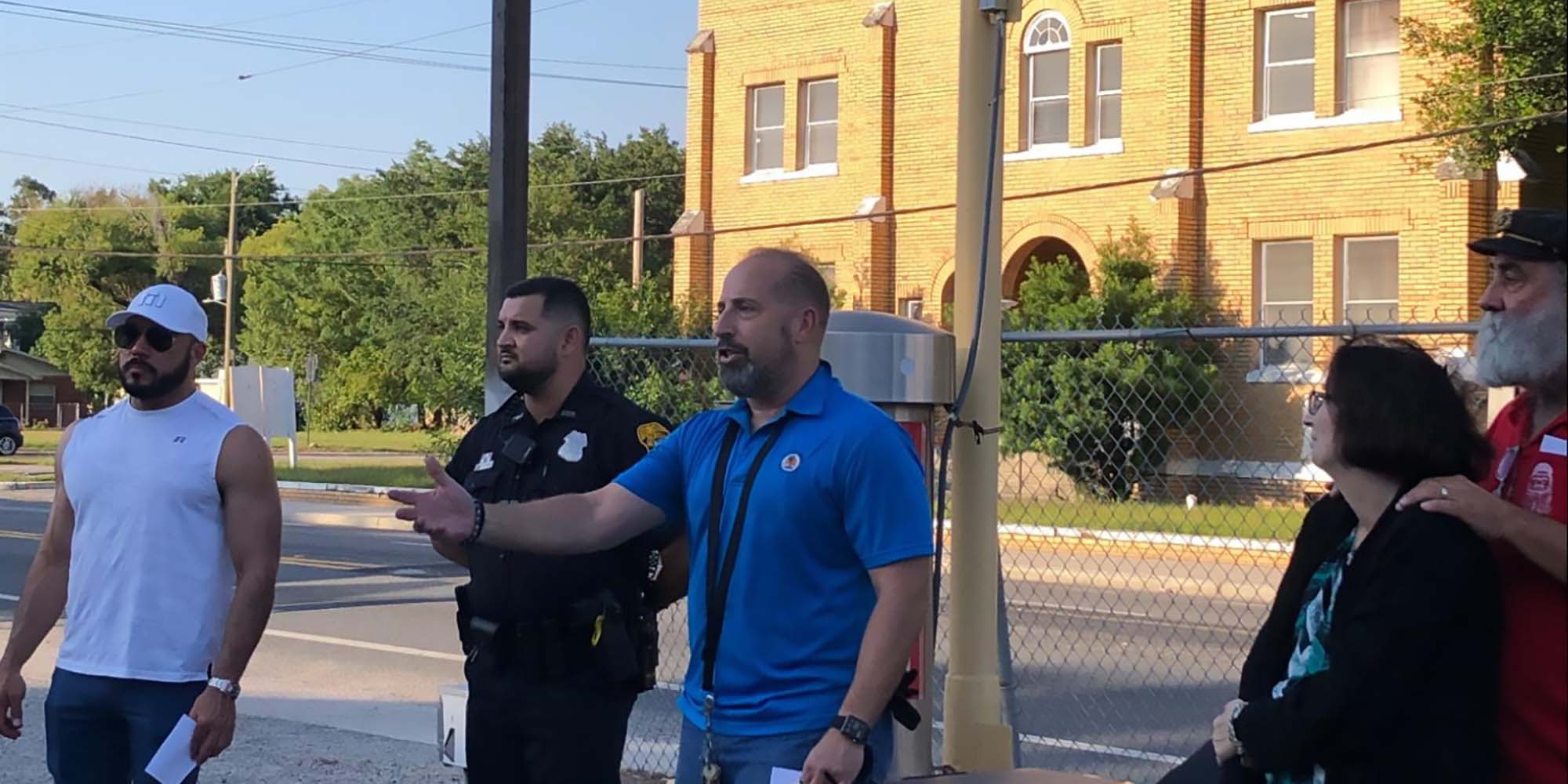
- Partnership with Helpers: Compassion thrives when first responders, community members, and faith leaders collaborate to address needs quickly and respectfully.
- Accountability with Compassion: Responses to violations focus on understanding and repair, with first responders helping guide situations toward safety and resolution rather than escalation. Law enforcement imposes consequences when standards have been broken and legal action is warranted.
- Hope and Future: Compassion builds belief in second chances — and first responders often serve as the bridge between immediate crisis and lasting stability.